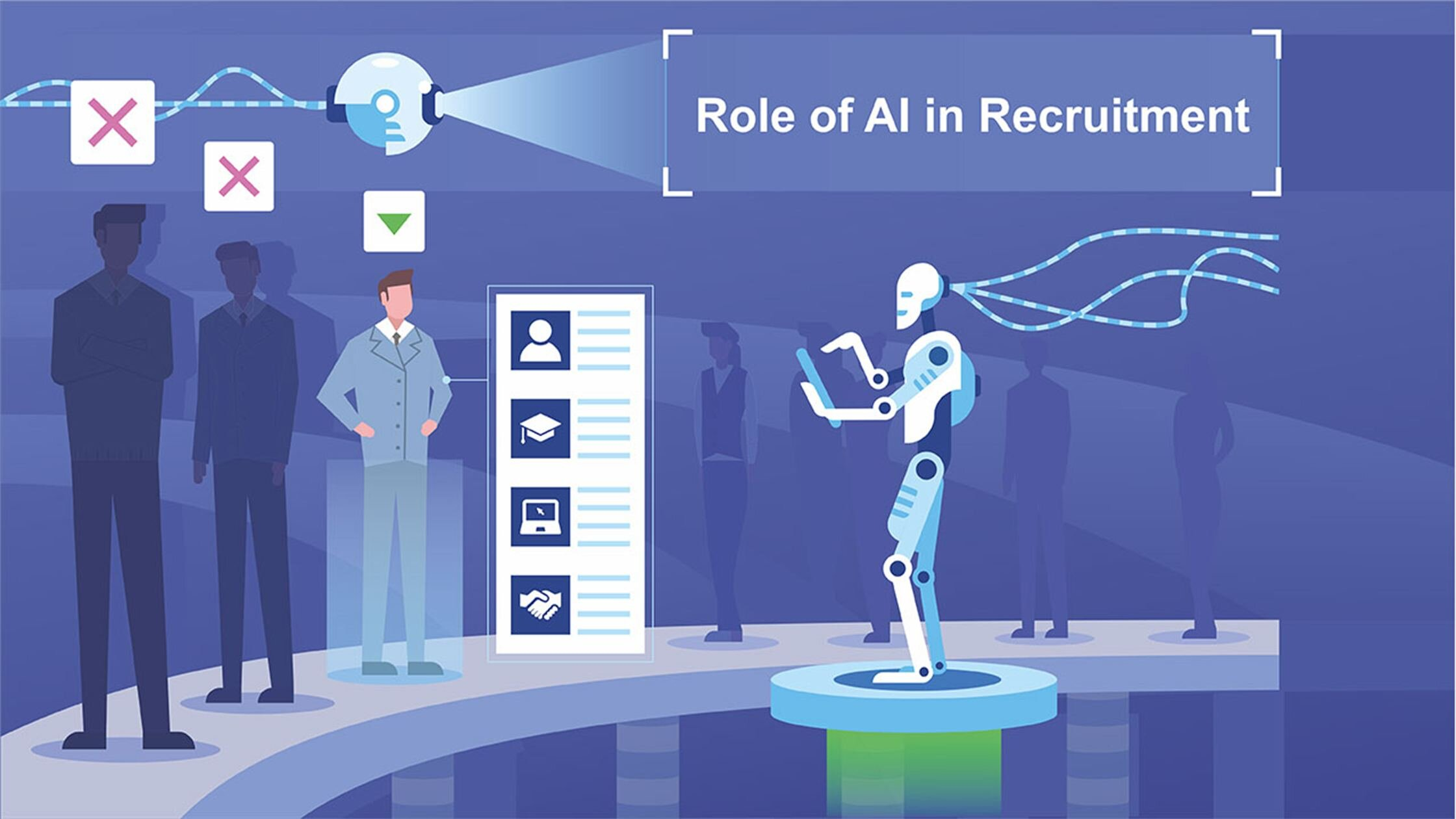
Welcome to the world of recruitment in the age of artificial intelligence (AI)! As technology continues to advance, it has had a profound impact on the way companies find and hire new talent. From streamlining the hiring process to improving candidate experience, AI has revolutionized the recruitment industry. Let’s take a closer look at how AI is shaping the future of hiring.
Impact of AI on the Recruitment Process
Artificial Intelligence has revolutionized the recruitment process in recent years, streamlining and improving various aspects of the hiring process. One major impact of AI on recruitment is the ability to automate repetitive tasks such as resume screening, candidate sourcing, and scheduling interviews. This automation allows human recruiters to focus their time and energy on more strategic tasks, such as building relationships with candidates and hiring managers.
AI also plays a crucial role in improving the candidate experience during the recruitment process. Chatbots powered by AI technology can engage with candidates in real-time, providing them with personalized information about the job position, company culture, and interview process. This instant communication helps to keep candidates engaged and informed throughout the hiring process, ultimately leading to a positive candidate experience.
Furthermore, AI algorithms can analyze large volumes of data to identify trends and patterns in candidate profiles, helping recruiters make data-driven decisions. By analyzing historical hiring data, AI can predict which candidates are most likely to succeed in a particular role, leading to more successful hires and reduced turnover rates. This predictive analytics capability allows recruiters to make more informed decisions and hire candidates who are the best fit for the job.
One of the biggest advantages of AI in recruitment is its ability to remove bias from the hiring process. AI algorithms can evaluate candidates based on their skills, qualifications, and experience, rather than their gender, race, or background. This helps companies build more diverse and inclusive teams, leading to better decision-making and a more innovative work environment.
Overall, AI has transformed the recruitment process by improving efficiency, enhancing the candidate experience, providing data-driven insights, and reducing bias in hiring decisions. As technology continues to advance, AI will play an increasingly important role in helping companies identify and hire top talent, ultimately driving business success.
Advantages of Using AI in Recruiting
AI in recruiting offers numerous benefits for both employers and job seekers. From streamlining the hiring process to improving candidate experience, here are some key advantages of utilizing AI in recruitment:
1. Efficiency: One of the most significant advantages of using AI in recruiting is the increase in efficiency it brings to the hiring process. AI-powered tools can analyze resumes, screen candidates, schedule interviews, and even conduct initial assessments, all in a fraction of the time it would take a human recruiter. This allows hiring managers to focus their time and energy on more strategic tasks, such as interviewing top candidates or developing a strong employer brand.
2. Improved Candidate Matching: AI technology can quickly and accurately match candidates to job openings based on their skills, experience, and qualifications. By using algorithms to sift through thousands of resumes and online profiles, AI can identify the most relevant candidates for a particular role, saving recruiters hours of manual work. This not only speeds up the hiring process but also ensures that companies are finding the best possible candidates for their open positions.
3. Bias Reduction: AI in recruiting can help mitigate unconscious bias in the hiring process by focusing solely on candidates’ qualifications and skills. Unlike human recruiters, who may unintentionally favor candidates based on factors such as gender, ethnicity, or education, AI algorithms rely on data and analytics to make objective hiring decisions. This can lead to a more diverse and inclusive workforce, as well as a fairer recruitment process for all applicants.
4. Enhanced Candidate Experience: AI technology can also improve the candidate experience by providing timely updates, personalized feedback, and an overall smoother application process. Chatbots, for example, can answer candidates’ questions and provide assistance 24/7, creating a more engaging and interactive application experience. By incorporating AI into their recruitment strategy, companies can enhance their employer brand and attract top talent who appreciate a tech-savvy and user-friendly hiring process.
5. Data-Driven Decisions: AI in recruiting enables companies to make data-driven decisions throughout the hiring process. By tracking and analyzing various recruitment metrics, such as time-to-fill, cost-per-hire, and candidate quality, organizations can identify trends, assess their recruitment strategies, and make informed decisions to optimize their hiring process. This not only improves the effectiveness of recruiting efforts but also helps companies stay competitive in today’s rapidly evolving job market.
Overall, the advantages of using AI in recruiting are vast and varied, offering organizations the opportunity to revolutionize their hiring process and attract top talent more efficiently than ever before.
Potential Challenges of Implementing AI in Recruitment
While Ai in recruitment offers numerous benefits, there are also potential challenges that organizations should be aware of before implementing this technology. Here are some of the challenges that may arise:
1. Bias in AI Algorithms: One of the main concerns with using AI in recruitment is the risk of algorithm bias. AI systems are built on data, and if the data used to train these systems is biased, it can lead to discriminatory outcomes. For example, if a company’s historical hiring data shows a preference for male candidates, the AI system may unknowingly perpetuate this bias by prioritizing male applicants over female applicants. To prevent this, organizations must carefully monitor and audit their AI systems to ensure fairness in the recruitment process.
2. Lack of Human Touch: Another challenge of implementing AI in recruitment is the potential loss of human interaction. While AI systems can efficiently analyze large volumes of candidate data, they may lack the empathy and emotional intelligence that human recruiters possess. Candidates may feel alienated or dehumanized if their entire recruitment process is conducted by AI, without any human touch. Organizations must strike a balance between using AI for efficiency and maintaining personalized interactions with candidates.
3. Skill Shortage and Training Needs: Implementing AI in recruitment requires a certain level of technical expertise, which may be lacking in some organizations. HR teams may need to upskill or hire new employees with knowledge of AI technology to effectively implement and manage AI systems in the recruitment process. This can lead to additional costs and time investments for organizations. Furthermore, ongoing training and development will be necessary to keep up with the rapidly evolving field of AI and ensure that employees are equipped to use AI tools effectively.
4. Data Privacy and Security Concerns: With the use of AI comes the collection and analysis of vast amounts of sensitive candidate data. Organizations must ensure that they have robust data privacy measures in place to protect this information from cyber threats and adhere to data protection regulations such as GDPR. There is also the risk of data breaches or misuse of candidate data if AI systems are not properly secured. Organizations must prioritize data security and transparency to build trust with candidates and protect their privacy.
5. Resistance to Change: Lastly, the introduction of AI in recruitment may be met with resistance from both employees and candidates. Some employees may feel threatened by the idea of technology replacing their roles, while candidates may be wary of AI’s impact on the fairness of the recruitment process. Organizations must communicate the benefits of AI in recruitment effectively and involve employees in the decision-making process to mitigate resistance and ensure a smooth transition.
Ethical Considerations in AI-driven Recruitment
When it comes to using AI in recruitment, there are a number of ethical considerations that organizations need to take into account. While AI can bring about many benefits, it also raises concerns about bias, privacy, and fairness.
One of the primary ethical considerations in AI-driven recruitment is the issue of bias. AI algorithms are only as good as the data they are trained on, and if that data contains biases, then the AI system will also be biased. This can lead to discrimination against certain groups of people, such as minorities or women, who may be underrepresented in the training data. Organizations need to be aware of this risk and take steps to ensure that their AI systems are fair and unbiased.
Another ethical consideration is the issue of privacy. AI systems can collect and analyze a vast amount of personal data, such as resumes, social media profiles, and online behavior. While this can help companies make more informed hiring decisions, it also raises concerns about the privacy of job candidates. Organizations need to be transparent about the data they are collecting and how it will be used, and they need to ensure that they are in compliance with data protection regulations.
Fairness is also a key ethical consideration in AI-driven recruitment. AI systems are designed to be objective and impartial, but they can still inadvertently discriminate against certain groups of people. For example, if an AI system is trained on historical data that reflects biases in hiring decisions, it may perpetuate those biases in the future. Organizations need to closely monitor their AI systems to ensure that they are not inadvertently discriminating against any group of people.
One way to address these ethical considerations is to introduce human oversight into the AI-driven recruitment process. While AI can help streamline the recruitment process and highlight top candidates, it is important to have a human in the loop to make final decisions and ensure that ethical standards are being upheld. Human recruiters can also provide valuable insights and context that AI systems may miss.
In conclusion, while AI can bring about many benefits in the recruitment process, it also raises a number of ethical considerations that organizations need to take seriously. By being aware of the potential for bias, protecting candidate privacy, ensuring fairness, and introducing human oversight, organizations can use AI in recruitment in a responsible and ethical way.
The Future of AI in the Recruitment Industry
Artificial intelligence (AI) has been revolutionizing the recruitment industry in recent years, and its impact is only expected to grow in the future. With advancements in technology and data analytics, AI is reshaping how companies find and hire top talent. Here are some key trends that showcase the exciting future of AI in recruitment:
1. Personalized Candidate Experiences: AI algorithms are becoming increasingly sophisticated in analyzing candidate data and preferences. This allows recruiters to create more personalized experiences for candidates, leading to higher engagement and retention rates. By leveraging AI, recruiters can tailor job recommendations and communication channels based on an individual’s interests and qualifications.
2. Automation of Tedious Tasks: One of the most significant benefits of AI in recruitment is its ability to automate repetitive and time-consuming tasks. From screening resumes to scheduling interviews, AI-powered tools can streamline the hiring process and free up recruiters to focus on more strategic activities. This not only saves time and resources but also ensures a more efficient and error-free recruitment process.
3. Predictive Analytics for Hiring: AI can analyze large volumes of data to identify patterns and trends that predict a candidate’s performance and job fit. By using predictive analytics, recruiters can make more informed hiring decisions, reducing the risk of costly recruitment mistakes. This data-driven approach enables companies to build stronger, more productive teams that align with their business goals.
4. Diversity and Inclusion Initiatives: AI tools can help organizations eliminate bias in the hiring process and promote diversity and inclusion. By removing human judgment from screening and selection processes, AI can ensure a fair and unbiased evaluation of candidates based solely on their qualifications and skills. This not only creates a more inclusive workplace but also enhances organizational performance by tapping into a broader talent pool.
5. Embracing Virtual Recruitment Events: With the rise of remote work and virtual interactions, AI is enabling recruiters to host virtual recruitment events that attract and engage top talent from around the world. These online events provide an opportunity for candidates to interact with hiring managers and learn more about job opportunities without the logistical constraints of traditional in-person events. AI-powered platforms can facilitate networking, presentations, and interviews in a virtual setting, making the recruitment process more accessible and efficient for both candidates and employers.