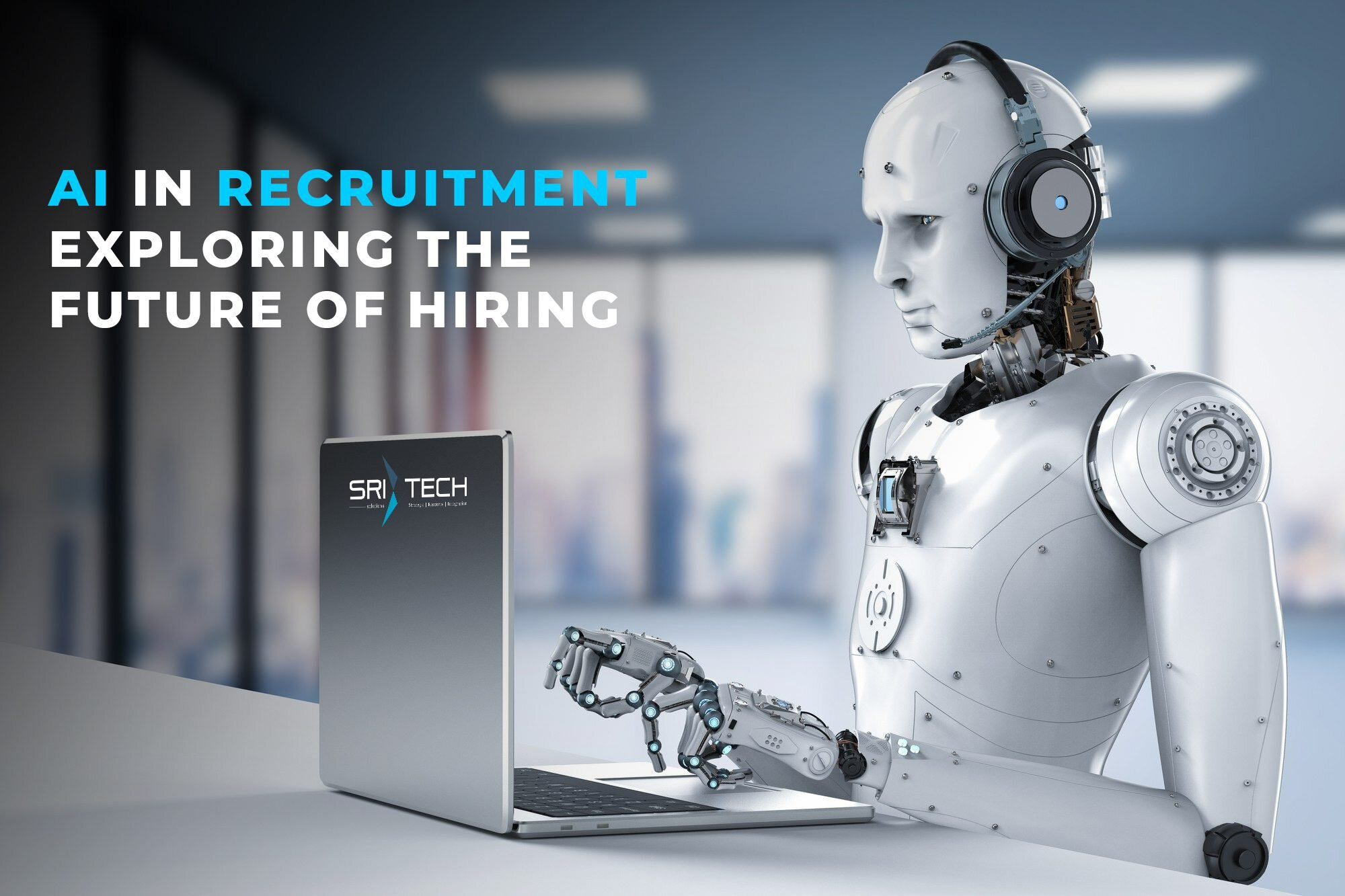
Welcome to the future of hiring and recruitment, where artificial intelligence is revolutionizing the way companies find and onboard new talent. From streamlining the screening process to identifying top candidates, AI is changing the game for human resources professionals. With the help of machine learning algorithms and predictive analytics, HR teams can now make smarter, more data-driven decisions when it comes to building their teams. Join us as we explore how AI is shaping the future of hiring and recruitment.
Streamlining Recruitment with AI Technology
Recruitment is often a time-consuming and labor-intensive process for human resources professionals. The traditional methods of sorting through resumes, conducting initial screenings, and scheduling interviews can be quite overwhelming, especially when dealing with a high volume of applicants. However, with the advancement of AI technology, the recruitment process has become more streamlined and efficient.
One of the key ways AI technology has revolutionized recruitment is through the use of applicant tracking systems (ATS). These systems can automatically screen resumes based on predetermined criteria set by the recruiter, such as specific skills, qualifications, and experience. This eliminates the need for HR professionals to manually review each resume, saving valuable time and allowing them to focus on more strategic tasks.
AI technology can also assist in identifying top talent from a pool of applicants. By analyzing data from resumes, social media profiles, and online assessments, AI can pinpoint candidates who closely match the job requirements and company culture. This helps recruiters make more informed decisions when selecting candidates to move forward in the hiring process.
Another benefit of using AI technology in recruitment is the ability to conduct automated interviews. With AI-powered chatbots and virtual assistants, recruiters can conduct initial screenings and interviews with candidates at any time, without the need for human intervention. This not only speeds up the interview process but also provides a consistent experience for all applicants.
Furthermore, AI technology can help in the onboarding process of new hires. By analyzing data on existing employees and company procedures, AI can create personalized onboarding plans for new hires, ensuring a smooth transition into their new role. This personalized approach can improve employee engagement and retention rates, ultimately leading to a more productive and satisfied workforce.
In conclusion, AI technology has significantly improved the recruitment process for human resources professionals. By utilizing AI-powered applicant tracking systems, identifying top talent, conducting automated interviews, and assisting in onboarding, recruiters can streamline their workflow, save time, and make more informed decisions when hiring new employees. As AI continues to evolve and improve, we can expect recruitment processes to become even more efficient and effective in the future.
Enhancing Employee Satisfaction and Engagement with AI
As human resources departments continue to evolve and adapt to the rapidly changing landscape of business, many companies are turning to artificial intelligence to help enhance employee satisfaction and engagement. AI tools can revolutionize the way organizations manage their workforce, creating a more positive and productive work environment for employees.
One way AI can enhance employee satisfaction is through personalized learning and development opportunities. By utilizing AI algorithms, companies can analyze employee data and provide tailored training programs that cater to individual interests and skillsets. This personalized approach not only helps employees feel valued and supported but also enhances their professional growth and development, leading to higher job satisfaction and engagement.
Additionally, AI can be used to optimize employee benefits and perks, ensuring that each employee receives the most relevant and beneficial incentives. By analyzing employee data, AI tools can suggest personalized benefits packages that cater to the specific needs and preferences of each individual. This level of customization helps employees feel appreciated and valued by their organization, leading to increased job satisfaction and loyalty.
Furthermore, AI can play a crucial role in improving communication and collaboration within the workplace. By utilizing AI-powered chatbots and communication tools, employees can easily connect with coworkers, managers, and HR representatives, fostering a more collaborative and supportive work environment. Additionally, AI can help streamline communication processes, reducing misunderstandings and promoting transparency, which ultimately leads to higher employee satisfaction and engagement.
Moreover, AI can help HR professionals identify and address potential issues or challenges before they escalate, ultimately improving employee satisfaction and retention. By analyzing employee data and sentiment, AI tools can detect patterns and trends that may indicate low morale or disengagement among employees. HR professionals can then take proactive measures to address these issues, such as implementing wellness programs, offering additional support, or providing opportunities for career advancement, thereby fostering a more positive and engaging work environment.
In conclusion, AI has the potential to revolutionize the way companies approach employee satisfaction and engagement. By leveraging AI tools to personalize learning and development opportunities, optimize benefits and perks, improve communication and collaboration, and address potential issues proactively, organizations can create a more positive and productive work environment for their employees. As technology continues to advance, HR professionals must embrace AI as a valuable tool to enhance employee satisfaction and engagement in the modern workplace.
Leveraging AI for Performance Management and Talent Development
Performance management and talent development are crucial aspects of Human Resources that can greatly benefit from the implementation of AI technology. AI can help streamline the performance evaluation process, identify areas for improvement, and provide personalized development plans for employees. By leveraging AI for performance management and talent development, HR professionals can gain valuable insights and make more informed decisions to foster the growth and success of their workforce.
One way AI can revolutionize performance management is through data analytics. AI-powered tools can collect and analyze large amounts of data to identify patterns and trends in employee performance. This can help HR professionals spot high-performing employees, as well as those who may be struggling. By understanding the factors that contribute to success or failure, organizations can tailor their performance management strategies accordingly.
AI can also play a key role in providing real-time feedback to employees. Traditional performance reviews often involve a once-a-year assessment, which may not accurately reflect an employee’s progress. AI-powered platforms can provide continuous feedback based on data collected from various sources, such as project outcomes, customer feedback, and peer reviews. This feedback can help employees stay on track, address any issues early on, and make necessary adjustments to improve their performance.
Furthermore, AI can assist in talent development by identifying potential leaders within an organization. Machine learning algorithms can analyze employee performance data, skills, and behaviors to pinpoint individuals who exhibit leadership qualities. HR professionals can use this information to create targeted development plans for these employees, such as providing leadership training, mentoring opportunities, and stretch assignments. By nurturing these high-potential employees, organizations can ensure a strong pipeline of future leaders.
AI can also support talent development through personalized learning initiatives. By leveraging AI-powered learning platforms, employees can access customized training programs based on their learning preferences, interests, and career goals. These platforms can recommend relevant courses, webinars, and resources to help employees acquire new skills and stay competitive in their respective fields. Additionally, AI can track employee progress and provide insights on areas where further development is needed. This personalized approach to learning can boost employee engagement, retention, and overall performance.
In conclusion, AI has the potential to transform performance management and talent development in Human Resources. By harnessing the power of AI technology, HR professionals can improve the efficiency and effectiveness of their processes, leading to a more engaged and productive workforce. With AI as a strategic partner, organizations can better identify and develop talent, driving growth and success in today’s competitive business landscape.
The Impact of AI on Diversity and Inclusion in HR
When it comes to diversity and inclusion in the workplace, AI has the potential to both help and hinder progress. On one hand, AI can be utilized to eliminate bias in the hiring process by focusing on skills and qualifications rather than personal characteristics. This can lead to a more diverse workforce as candidates are selected based on merit alone. Additionally, AI can help HR teams identify areas where diversity and inclusion efforts need to be strengthened by analyzing data on employee demographics and engagement levels.
However, there are also concerns that AI may inadvertently perpetuate bias in the HR department. This can happen if the algorithms used by AI systems are trained on biased data or if they are not properly monitored and adjusted. For example, if a company predominantly hires white males for certain positions, an AI system may learn to prioritize candidates with similar characteristics, further perpetuating the lack of diversity in the organization.
One way to mitigate these risks is to ensure that the AI tools being used in HR are designed with diversity and inclusion in mind. This can involve incorporating checks and balances into the system to flag any potential biases, as well as regularly auditing the algorithms to ensure fairness. Companies can also take steps to diversify the teams responsible for developing and implementing AI solutions in HR to ensure that a range of perspectives are taken into account.
Another way that AI can positively impact diversity and inclusion in HR is through the use of predictive analytics to identify patterns and trends in the workforce. By analyzing data on employee performance, engagement, and retention rates, AI can help HR teams identify areas where diversity and inclusion efforts are succeeding and where they may need to be adjusted. This can lead to more targeted and effective strategies for creating a more inclusive workplace.
Overall, the impact of AI on diversity and inclusion in HR is still being explored and understood. While there are both risks and benefits associated with the use of AI in this area, it is clear that AI has the potential to play a significant role in shaping the future of diversity and inclusion in the workplace.
Addressing Ethical and Privacy Concerns in AI-Driven HR Practices
As with any new technology, the implementation of AI in human resources comes with its own set of ethical and privacy concerns. It is essential for organizations to address these issues in order to ensure the fair and responsible use of AI in HR practices.
One of the primary ethical concerns surrounding AI in HR is the potential for bias in decision-making. AI algorithms are only as unbiased as the data they are trained on, and if this data is flawed or biased, it can lead to unfair outcomes for employees. To address this concern, organizations must ensure that the data used to train AI systems is diverse and representative of the entire workforce. Additionally, regular audits of AI systems can help to identify and correct any biases that may arise.
Privacy is another major concern when it comes to AI in HR. The use of AI systems to collect and analyze employee data can raise serious privacy issues, especially when sensitive information is involved. Organizations must be transparent with employees about the data being collected, how it will be used, and who will have access to it. Implementing strong data security measures and obtaining explicit consent from employees before collecting their data can help to mitigate these privacy concerns.
One way to address both ethical and privacy concerns in AI-driven HR practices is to involve employees in the decision-making process. By soliciting feedback and input from employees, organizations can ensure that AI systems are being used in a way that is fair, transparent, and respectful of privacy. Additionally, providing training and education on AI technology can help employees better understand how these systems work and alleviate any concerns they may have about their use in the workplace.
It is also important for organizations to establish clear guidelines and policies around the use of AI in HR. These policies should outline the specific purposes for which AI will be used, the types of data that will be collected and analyzed, and the steps that will be taken to ensure fairness and protect privacy. Regular monitoring and oversight of AI systems can help to ensure that they are being used in accordance with these guidelines.
In conclusion, addressing ethical and privacy concerns in AI-driven HR practices is essential for organizations looking to implement this technology responsibly. By taking proactive steps to mitigate bias, protect privacy, involve employees in the decision-making process, and establish clear policies and guidelines, organizations can ensure that AI is being used in a fair and ethical manner. Ultimately, by addressing these concerns, organizations can harness the power of AI to improve HR practices and better support their employees.